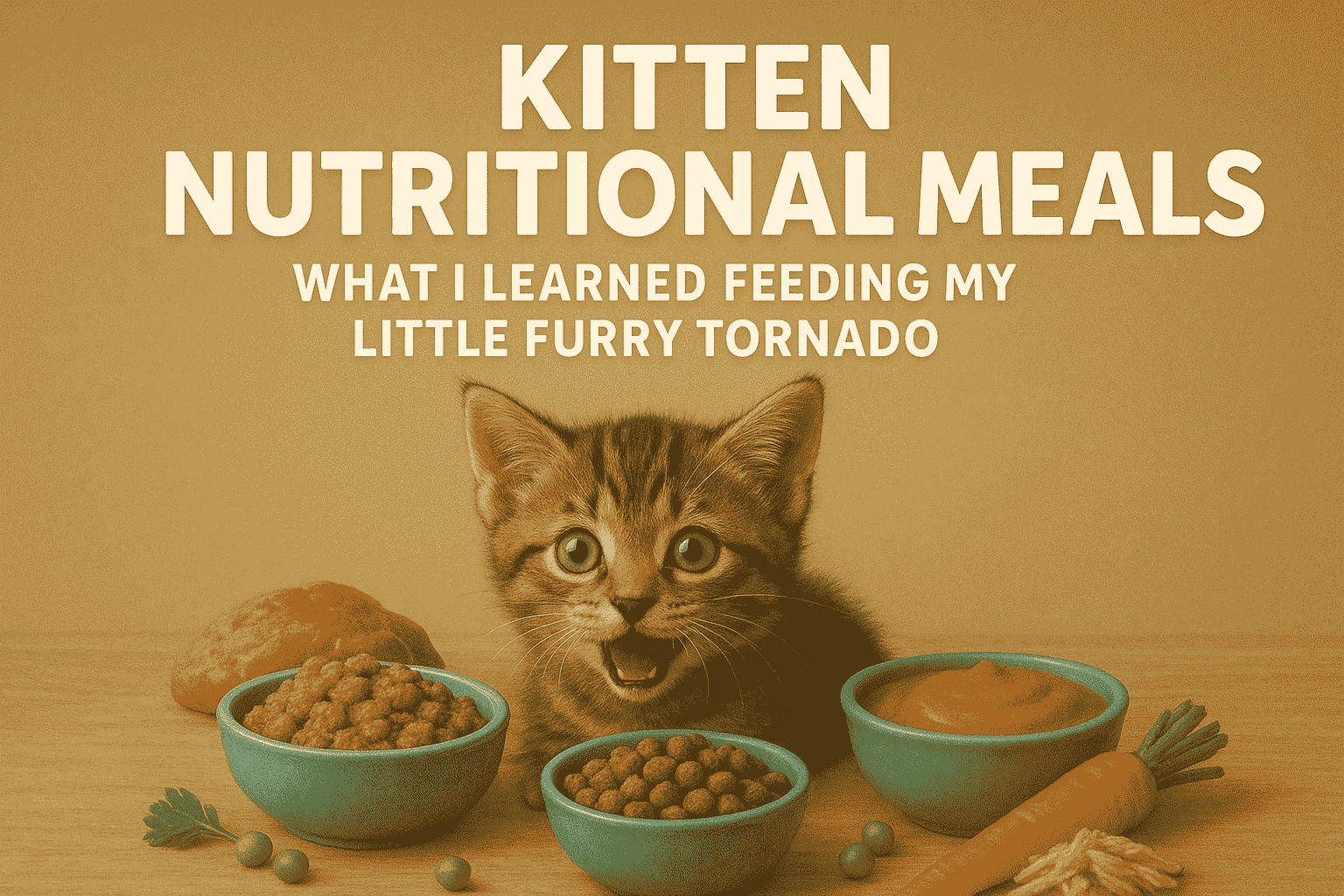
When I first brought home my kitten, Muffin, I thought I had every thing figure out litter box, Toys, Cozy bed, even a tiny sweater (Which she hate, By the way). But the one thing that completely confused me? Kitten food.
There were Lot Of shelves of options at the pet store. Wet, Dry, Grain free, Raw, High protein, Low carb it was a lot. Honestly, I just want to make sure I was feed Muffin the right meals to help her grow strong and healthy.
So if you’re in the same boat, Let me walk you through what I learn about kitten nutritional meals from a real pet parents point of view. No technical term, Just helpful advice based on experience.
Why Kitten Nutrition Is a Big Deal (More Than I Thought)
Kittens aren’t just mini versions of adult cats they’re like toddlers on fast forward. They’re constantly growing, Playing, Climbing curtains, And using every ounce of energy they have (And then stealing yours).
That kind of growth needs fuel. Not just any fuel good quality, Balanced, Kitten specific meals. Muffin went from a sleepy fluffball to a high speed explorer in just a few weeks. And I could tell the difference in her energy and health when I started feeding her meals that were actually made for kittens.
What Should Go Into a Kitten’s Bowl?
Here’s the basic break down of what your kitten needs in every meal nothing fancy, Just what works:
1- Real, High-Quality Protein
Kittens are carnivores. This means they need simple meat. Look for foods where chicken, Turkey, Or fish is the first ingredient. Skip any thing that says “Meat meal” or “By product” With out naming the source.
When I first fed Muffin a food with actual chicken as the first ingredient, She licked the bowl clean and then tried to climb in to the cupboard for more.
2- Healthy Fats and Omega-3s
Good fats help your kitten’s brain, Heart, And skin develop. Ever heard of DHA? It’s a type of fat found in fish that’s great for grow kittens.
Many wet kitten foods have it already, But I sometimes added a drop of salmon oil to Muffins dinner. Not only did it help her coat shine, But she loved the taste.
3- Calcium and Phosphorus for Strong Bones
These two are a bunch, Kittens need them in the right balance to help their bones grow strong. You don’t need to calculate any thing just make sure the food “Complete and balanced for kittens.” That usually means the ratio is right.
4- Taurine – The Must-Have Nutrient
Cats (And kittens) must get taurine from food. It keeps their heart, Eyes, And brain working properly. It’s a deal-breaker nutrient.
Most kitten foods include it, But always check the label.
Wet vs. Dry Food – What Worked for Us
This was a big question I had: Should I feed Muffin wet food, Dry food, Or both?
Wet Food Pros:
- High in moisture (Great for hydration)
- Softer and easier to eat
- Smells better to kittens (A win for picky eaters)
Dry Food Pros:
- Lasts longer and is easier to store
- Good for leaving out if you’re not home
- Slightly helps clean teeth (Though it’s no toothbrush!)
What I did:
I gave Muffin wet food twice a day (Breakfast and dinner), And kept a small bowl of dry kibble out for snacking. It gave her variety, Kept her hydrated, And gave me peace of mind if I was out for a few hours.
Making Kitten Food at Home? Be Careful.

I totally get want to cook for your pets. I make home made dog meals all the time, And I’ve tried it with Muffin too. But let me tell you kitten nutrition is tricky.
Their growing bodies need very specific nutrients in the right amount. Just giving them cooked chicken or rice isn’t enough. If you’re serious about home made meals, Talk to a vet or animal nutritionist first.
- Here’s one simple combo I tried once a week:
- Boiled turkey (No salt or seasoning)
- A spoon of cooked pumpkin (For digestion)
- A few drops of fish oil
- A vet-approved kitten vitamin mixed in
It was a nice treat, But I didn’t rely on it as her main diet.
How Often Should You Feed a Kitten?
Kittens burn energy like crazy, So they need to eat often way more than adult cats.
Here’s a basic feeding schedule that worked for me:
Kitten Age How Often To Feed
2–3 weeks Every 4–6 hours (Formula)
4–8 weeks 4–5 small meals a day
2–4 months 4 meals a day
4–6 months 3 meals a day
6–12 months 2–3 meals a day
Now that Muffin is almost a year old, We’re down to two meals a day and the occasional treat (Okay, maybe more than occasional).
How You’ll Know If the Food is Working
Here’s what I noticed when Muffin’s nutrition was spot-on:
Good Signs:
- Super soft, Shiny fur
- Bright eyes and clear nose
- Loads of energy
- Regular, Healthy poop (Yes, it’s matter)
Bad Signs:
- Dull coat or dry skin
- Diarrhea or constipation
- Low energy or sleeping too much
- Throwing up after meals
If you ever feel unsure, Just ask your vet. No Google search can replace that kind of help.
Feeding on a Budget (Yes, It’s Possible)
High quality kitten food doesn’t always mean expensive. Here’s what I learned to save a few money:
- Buy in bulk – Larger bags = Cheaper per meal
- Use both wet and dry food – Wet food is more costly, So mix with dry
- Look for offers online – Some pet stores give free samples or discounts
- Stick to brands that meet AAFCO standards – These follow real science
Final Thoughts: Feed With Heart, Not Just Hands
You know, When Muffin was just a baby, Life was a bit of a rollercoaster. She’d knock things over, Sprint around like her tail was on fire, And somehow always manage to get food on her face. I was learning every day, Just like she was. But looking back, One thing I’m really glad about is that I gave her meals that supported her little growing body.
Now? She’s a total powerhouse running, Jumping, Chasing shadows and her fur looks like it belongs in a shampoo commercial.
If you’ve just welcomed a kitten into your home, I get it- It can be overwhelming. But take it slow. You don’t need to be perfect. Just trust yourself, Ask when you need help, And give your kitten meals made with love. You’re already doing better than you think.