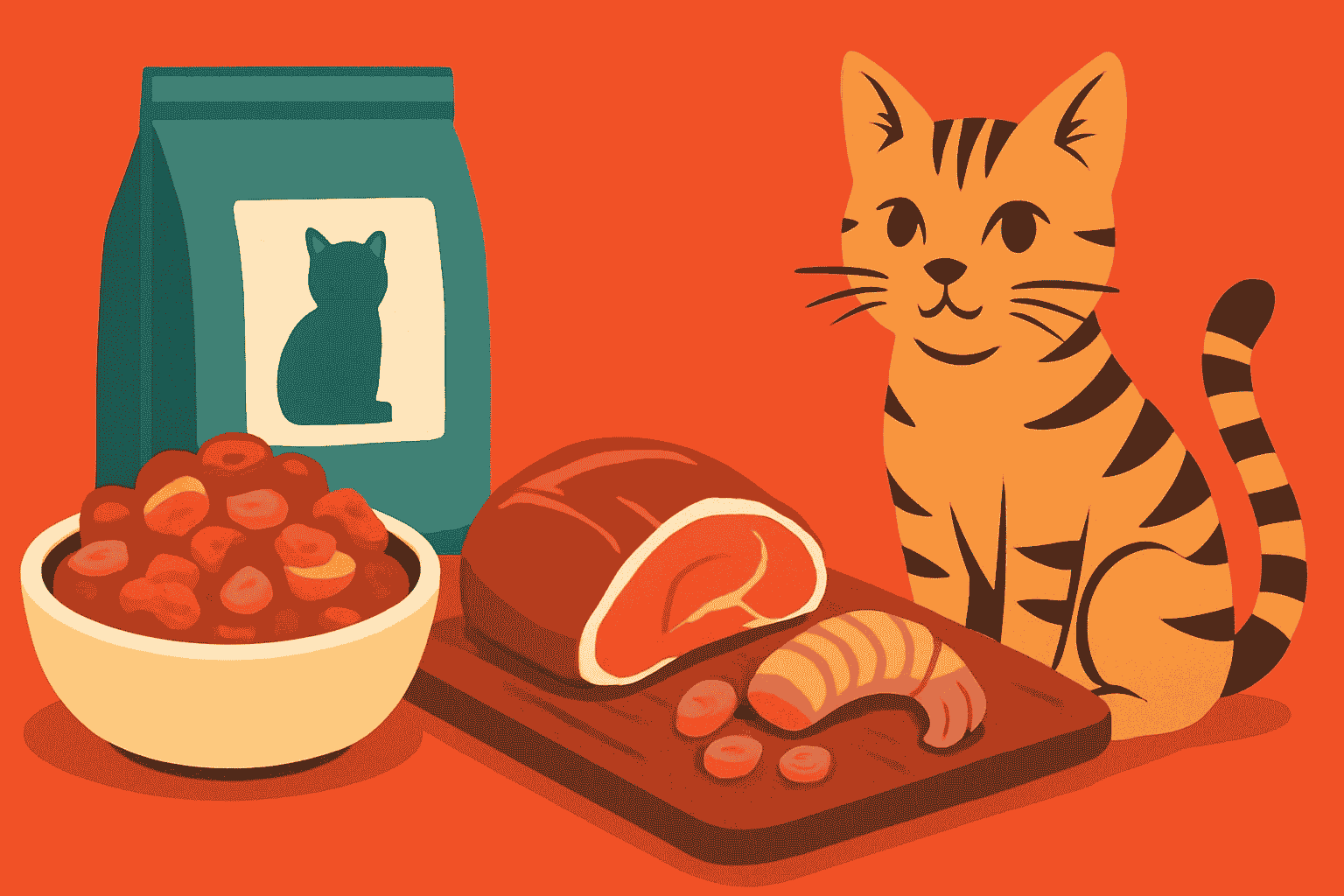
When I first heard about feeding raw food to cats, I’ll be honest I was skeptical. The idea of giving my sweet furballs raw chicken and organs felt…wild. But after years of dealing with one of my cat’s chronic digestive issues, low energy, and a dull coat, I knew something had to change. That’s when I dove into the world of homemade raw cat food and let me tell you, it’s been a game changer.
In this post, I’m sharing everything I’ve learned from switching to a raw diet for my cats. I’ll walk you through the pros and cons, the exact ingredients I use, how I prep meals, and some real-life tips I wish I knew when I started.
Why Consider Homemade Raw Cat Food?
Cats are obligate carnivores. this means their bodies are designed to thrive on meat muscles, organs, bones, and all. most commercial kibble and canned foods are full of fillers like corn, wheat, soy, and artificial additives. over time, those ingredients can cause health problems.
- Obesity
- Diabetes
- Chronic vomiting
- Urinary tract problems
- Allergies and skin conditions
Once I connected the dots between my cat’s dry kibble and his endless digestive problems, I knew I had to try something different. Homemade raw food just made sense.
What’s in a Balanced Raw Cat Food Recipe?
Here’s what I quickly learned: Feeding raw food isn’t just about shoving chicken breast at your cat. It’s not balanced and can lead to nutrient deficiencies over time.
A proper home made raw cat food recipe copy what a cat would eat in the wild, thinking of small mouse or birds. It includes:
- Muscle meat (e.g., chicken thighs, turkey, rabbit)
- Raw meaty bones (e.g., chicken necks, wings, or Cornish hen bones)
- Organ meat (Especially liver and heart)
- Supplements to balance calcium, taurine, omega-3s, and more
Here’s my go to recipe, tweaked after a lot of trial and error:
My Basic Home made Raw Cat Food Recipe
- 3 lbs chicken thighs (With skin, boneless)
- 1 lb chicken hearts
- 0.5 lb chicken liver
- 2 whole raw eggs (With shell, ground)
- 1 tsp taurine (Crucial for heart and vision health)
- 4,000 mg fish oil (for omega-3s)
- 1 tsp vitamin E powder
- 1/2 tsp vitamin B-complex
- 1 cup water or bone broth (for texture)
Instructions:
- Grind the meat, organs, and bones in a meat grinder (or have your butcher do it).
- Mix in the eggs, supplements, and water/broth.
- Portion in to freezer safe containers or silicone molds.
- Freeze for long term storage and defrost in the fridge as needed.
Note: Always talk to a vet or feline nutritionist before starting. Cats are sensitive to nutritional imbalance.
Real-Life Experience: The Good, The Messy, and The Amazing
When I first started feeding raw, my kitchen looked like a crime scene. I wasn’t used to grinding bones or portioning bloody meat in to container. But honestly? After the first couple of batches, it became second nature.
The best part? The results.
My Cat’s Health Transformation
My cat Leo used to throw up 3–4 times a week. He was lethargic and would sleep 20 hours a day (okay, he’s still a cat, but now he actually plays). After switching to raw:
- No more vomiting
- Glossier, softer fur
- Better litter box habits (smaller, less smelly poop!)
- More energy and playfulness
- Clear eyes and fresh breath
And let’s talk cost: I actually save money now. I buy meat in bulk from local farmers or discount grocery stores. It’s way cheaper than premium canned cat food, especially with multiple cats.
Tips for Getting Started With Raw Feeding
Start Slowly
Don’t switch your cat cold turkey (pun intended). Mix small amounts of raw food in to their current diet, gradually increasing over 7-10 days.
Get a Quality Meat Grinder
If you plan to add bones (which are essential for calcium) a good grinder is worth the investment. I use an STX Turboforce 3000, and it powers through chicken bones with ease.
Keep It Clean
Handling raw meat means keep things clean. Wash every thing — bowls, counter, your hands — immediately after preparation.
Track Their Health
Monitor your cat’s weight, coat, litter box habit, and energy. If any thing seems off, tweak the recipe or consult a professional.
Common Concerns (and What I’ve Learned)
Isn’t It Dangerous to Feed Raw Meat?
If the meat is handled properly and frozen before use, the risk is minimal. Cats have short, acidic digestive tracts built to handle raw food. But quality matter buy meat from trusted sources.
What If My Vet Disagrees?
Some traditional vets are wary of raw diets due to concerns about bacteria or nutritional imbalances. That’s fair but there are also many comprehensive vets and feline nutritionist who support raw feeding. Do your research and find a professional who understand both side.
What If My Cat Won’t Eat It?
Some cats are obstinate. One of mine wouldn’t touch raw at first. I warmed it up slightly (never cook bones, though) and mixed in freeze dried liver treats.
Final Thoughts: It’s Worth It
Switching to home made raw cat food isn’t for every one. It take time, effort, and a little trial and error. But to me, the payoff has been worth it. My cats are extremely healthy, happier, and more vibrant than ever before and I feel good know I’m feeding them the way nature planned.
If you’re curious. Start small, and see how your cat responds. You may wonder how much of a difference real, fresh food can make.
And if you ever feel over whelmed, just remember: I once Googled “can I give my cat chicken wings” and now I grind raw bones like a pro. You’ve got it.
Powered by mealpetix