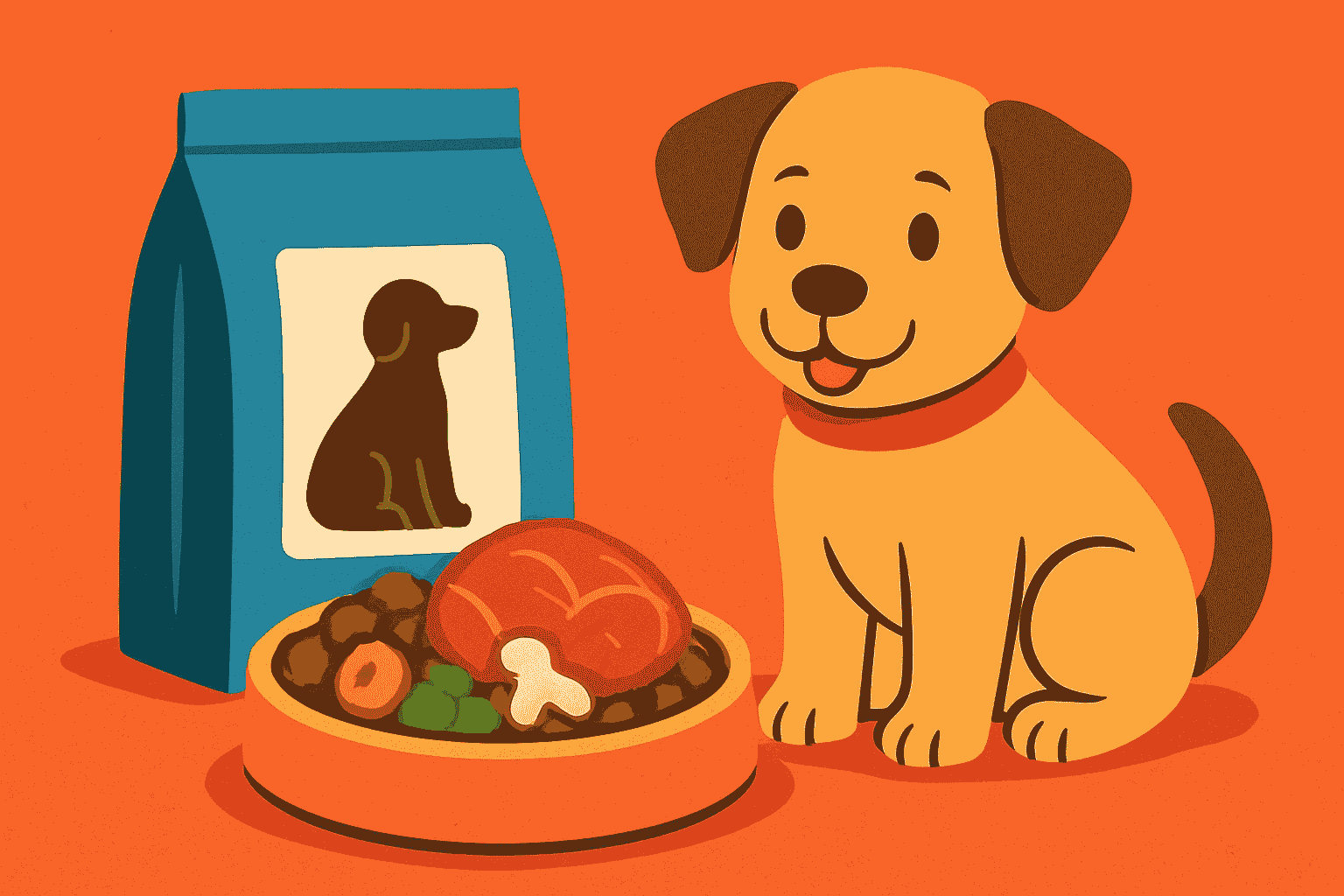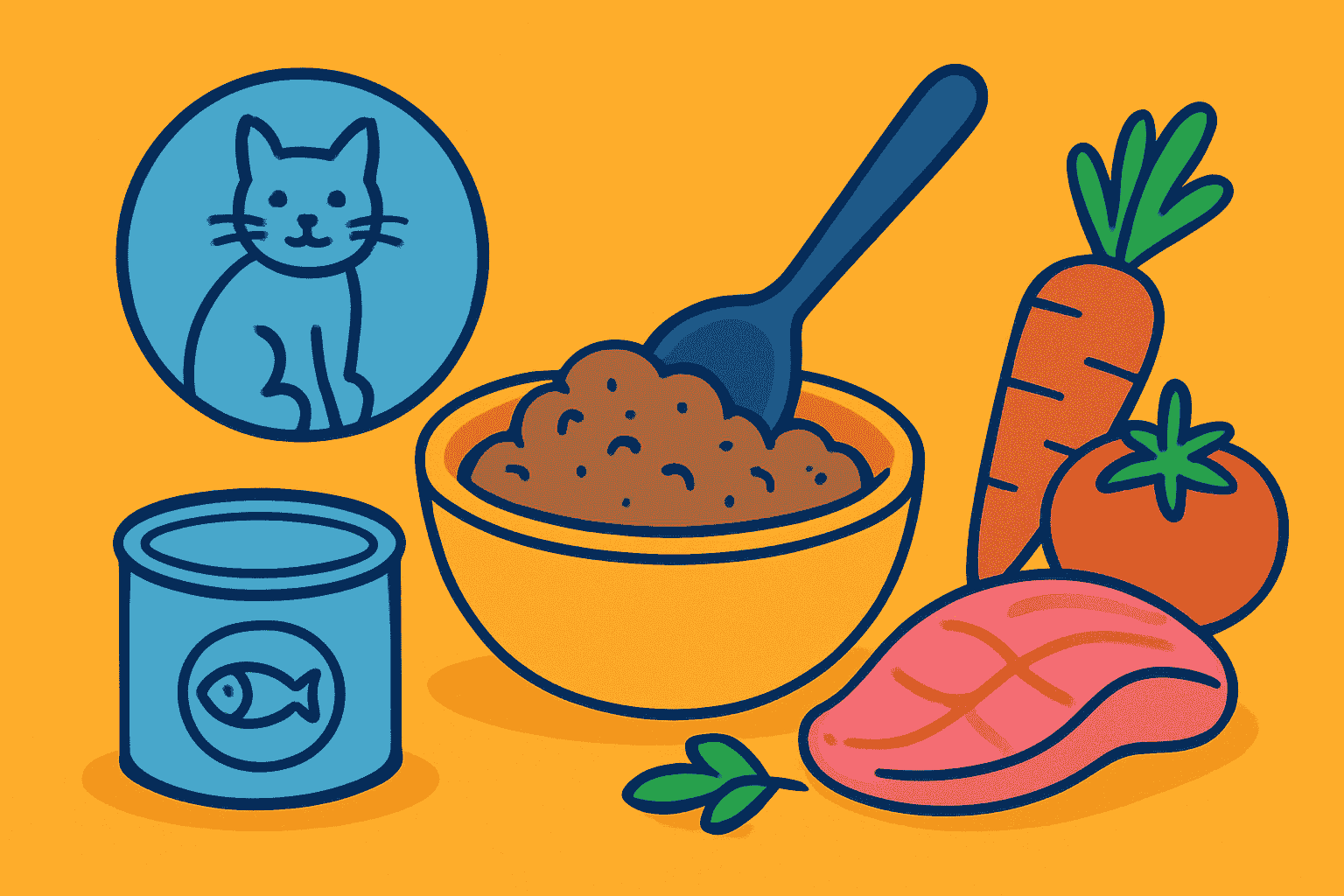
As a regular person who has spent years raising two excellent Labradors and a restless rescue cat, I know all too well that you want to give your pets the best — Especially when it comes to healthy food. If you’re anything like me, you’ve probably stood in the way of pet food, overwhelmed by ingredients you can’t pronounce, wondering if you should start cooking for your pets at home. I mean, how hard can it be, Right?
Other Related Post https://mealpetix.com/kitten-nutritional-meals/
But home made pet food isn’t as simple as pouring leftovers into a food bowl. It comes with all sorts of real benefits and some real risks. Whether you’re already making your own dog or cat food or are just curious about the topic, let’s take a look at the pros and cons of home made pet food and help you decide if it’s the right move for your frizzy friend.
Why More Pet Owners Are Choosing Homemade Food
Homemade pet foods have gained popularity, especially among pet parents who want complete authority over their animals’ diets. With recalls, reservations, and questionable ingredients in some commercial brands, it’s no wonder we’re all becoming more careful. Other then, pets are family and we want the same for them as we do for our own.
But as much as we love them, love alone is not enough to balance a dog or cat’s diet. Here’s what to think about.
The Pros of Homemade Pet Food
1. Full Control Over Ingredients
Let’s start with the largest benefit: You know completely what’s going into your pet’s bowl. If your dog has allergies (like my Labrador Max who explodes if he eats chicken), you can change meals to avoid those triggers. You also avoid unnecessary fillers, artificial colors, and preservatives that are ordinary in some kibble brands.
2. Can Improve Health and Digestion
Many pet owners report healthy shiny coats, more energy, and fewer stomach problems after convert to a home made diet. When my cat Luna started scratching constantly, a vet doctor recommended a home made hypoallergenic diet. in less then two weeks, her skin cleared up, and she was a brand new (less cranky) cat.
It makes sense just like people, animals flourish on fresh and real food.
3. Perfect for Picky Eaters
Have a picky eater? Home made food can turn mealtime fights into tail- wagging moments. My big dog Daisy refused to eat dry kibble for a long time. So I can started mixing boiled rice, beef, and carrots in to her bowl, and suddenly she started licking it. You can experiment with ingredients and texture that your pet likes.
4. Great for Pets with Special Needs
Pets with diabetes, kidney disease, or food sensitivities frequently need very particular diets. Home made food allow for those fine- tuned adjustments under the advice of a vet or pet nutritionist.
The Cons of Homemade Pet Food
1. Nutritional Balance Can Be Tricky
It is important to note that dogs and cats have different nutritional needs than humans, And it is not necessary to feed them the same foods that we eat. With out the right balance of protein, Fat, Vitamins, And minerals, Pet food can actually do more hurt than good.
For example, Cats need taurine, An amino acid not naturally found in most home cooked foods. A deficiency can cause to blindness or heart disease. That’s serious matter.
Suggestion: Always work with a vet or animal nutritionist when planning home made meals. There are also trusted recipe service and supplements to help ensure balanced nutrition.
2. Time-Consuming
Let’s be real—life is busy. Preparing home made meals for pets isn’t always convenient. You’ll need to shop, cook, measure, portion, And store food regularly. I meal prep on Sundays and freeze portions for the week, But that’s still a solid hour or two of work.
If you travel a lot or work long hours, Keeping up with home made food might become a problem. Some pet owners find a hybrid model works best— Kibble for weekdays and home made on weekends.
3. More Expensive (Sometimes)
Depending on the ingredients and portion size, Homemade pet food can cost more than high quality kibble. Organic meat, Supplements, And health benefit are especially important for larger dogs. I’ve found that if we buy in bulk, We can save a lot of money.
Still, For pets with medical problems, Those extra dollars can stave off expensive vet bills.
4. Risk of Foodborne Illness
Food or meat, Especially meat, If not cooked properly can be harmful to pets and can pose a risk of various diseases, So it is important to cook food and meat thoroughly. Keep your hands perfect clean, Preferably using gloves. It is important to follow food safety guidelines, Clean pets handling area, Use disinfectants, And store food properly.
If you are cooking food, Make sure the food is perfectly cooked. Unless you are following the principles of raw food with professional guidelines, You will continue to suffer from problems, Especially stomach disease. Stomach upset can be the result of other disease. Healthy pet food, disease prevention, And a clean environment are the best at all times.
If you’re thinking about making the switch, here are a few things to watch out for:
Common Mistakes to Avoid
- Guessing portions – Over feeding is common. Ask your vet about proper serving size.
- Skipping supplements – Calcium, Taurine, Omega 3s, And other essential frequently need to be added separately.
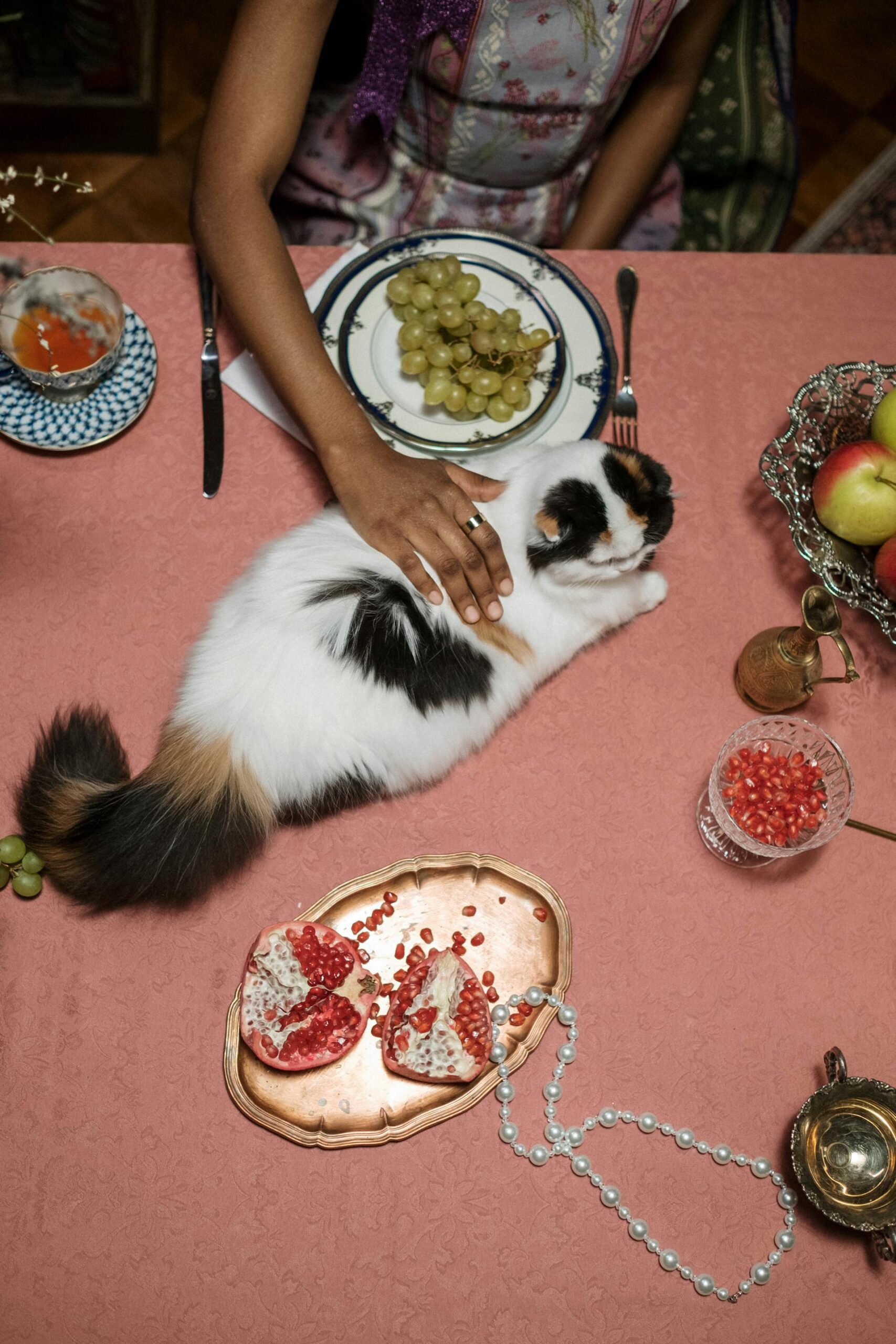
- Using toxic foods – Onion, Garlic, Grapes, Chocolates, And certain nuts are dangerous for pets.
- Feeding the same recipe daily – Variety help prevent nutritional gaps.
Real-Life Example: My Homemade Pet Food Routine
Every Sunday, I prep meals for my two dogs. Here’s a typical batch:
- 4 lbs ground turkey
- 2 cups brown rice
- 1 cup chopped carrots and spinach
- 1/2 cup peas
- Omega-3 oil and a calcium supplement
I cook everything veary well , mix it, and portion into containers. I freeze most of it and thaw a day ahead. My dogs are healthy, energetic, and never skip meals anymore.
For my cat, I rotate between homemade and a high best quality canned food since she’s a bit fussier and cats are notoriously hard to balance nutritionally.
So… Is Homemade Pet Food Right for You?
It’s up to you. If you’re willing to do your home work, Consult your vet, And put in the time, Home made food can be a game changer for your pet’s good health and happiness. But it’s not a one size fits all solution.
If you’re just starting out, Consider trying one home made food a week to see how your pet reacts. You may also find that a mix of store bought and home made works best.
Remember, Your pet doesn’t care if it’s Instagram worthy they just want to feel good and be loved.
Final Thoughts
Making home made pet food is a labor of love, But it comes with responsibility. It’s not about fancy diets or kitchen experiments it’s about nurturing your best friend like you would a family member. And keeping them happy.
Whether you choose home made food or commercial food, Or a mixture of both, The best diet is one that will keep your pet healthy, Happy, And with you for years to come.
And hey, Don’t be too hard on yourself. You’re already doing some thing amazing by doing the best research for your furry companion. That’s what it takes to be a great pet parent. And you are.