If you had told me five years ago that I’d be making wet cat food from scratch in my own kitchen, I would’ve laughed and pointed to the stack of canned food in the pantry. Fast forward to today— I’m that person grinding up chicken thighs, simmering homemade broths, and blending the perfect mix of nutrients for my cats like some feline Gordon Ramsay.
The truth is, I didn’t plan to go the DIY route. I ended up here out of love, frustration, and a whole lot of trial and error. If you’re considering ditching the store bought cans for something fresher, healthier, and shockingly affordable—this post is for you.
Why Make Wet Cat Food at Home?
Most commercial wet cat foods are convenient, but not always the healthiest option. Even premium brands can contain:
- Meat by-products (basically mystery meat)
- Fillers like corn, soy, and wheat
- Thickening agents and preservatives
- Unnecessary additives for shelf life, not nutrition
I started questioning it all when my cat Luna developed chronic skin allergies and my vet (a wonderfully open minded one) mentioned diet might be playing a role. That led me down a rabbit hole of ingredient labels, feline nutrition blogs, and eventually, cooking from scratch.
What Should Be in Homemade Wet Cat Food?
Let’s start with a simple truth: cats are obligate carnivores. Their bodies need animal based proteins, fats, and nutrients they can’t get from plant based source. that means no lentil stews or veggie bowls they’re adorable, but not for cats.
Key Components of Wet Cat Food:
- Animal protein – Chicken, turkey, rabbit, or beef
- Organ meats – Liver and heart are essential
- Animal fat – Adds calories and flavor
- Moisture – Hydration is crucial, especially for cats that don’t drink enough water
- Taurine – A must-have amino acid for heart and eye health
- Supplements – B-complex, Vitamin E, Calcium, Omega 3s
My Personal Wet Cat Food Recipe (That My Cats Actually Love)
After several flops (including one fish-based recipe that made my entire house smell like low tide), I finally found a balanced mix that Luna and my other cat, Tofu, go crazy for.
Chicken & Liver Wet Cat Food Recipe
Ingredients:
- 2 lbs boneless, skinless chicken thighs
- 0.5 lb chicken liver
- 1 heart (chicken or turkey)
- 1 cup chicken broth (unsalted, homemade if possible)
- 2 tsp taurine
- 1 tsp powdered calcium (or ground eggshells)
- 2 capsules of fish oil (or 1 tsp salmon oil)
- 1/2 tsp Vitamin E powder
- 1 B-complex tablet (crushed)
Instructions:
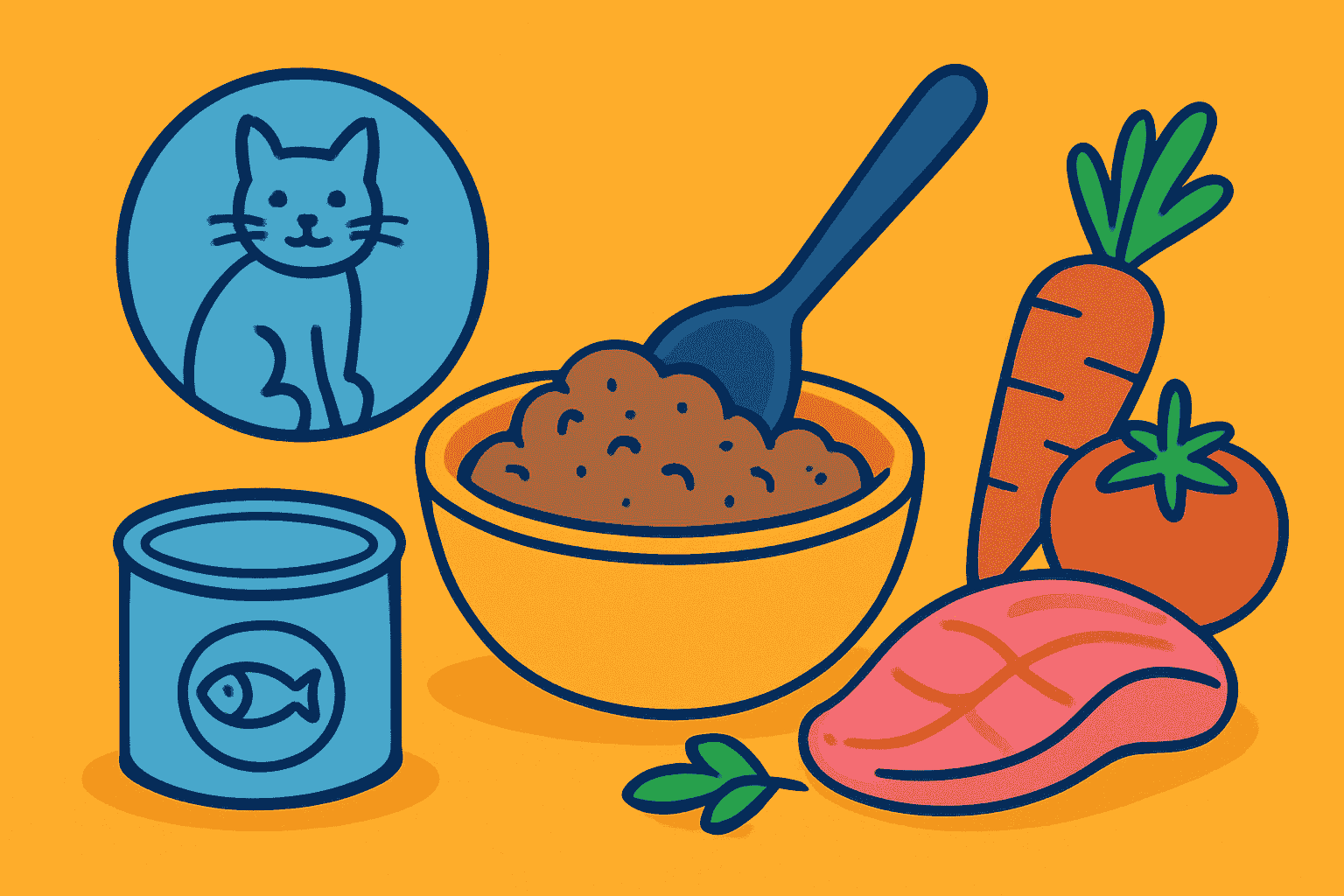
- Cook the meat gently – I simmer the chicken thighs and heart in the broth just until cooked. The liver I leave slightly pink to preserve nutrients.
- Blend together – I fling the meat, broth, and supplements in to a blender or food processor and beat until it’s a paste consistency. You can leave it chunky if your cat prefer texture.
- Cool and portion – I let the food cool fully, then portion it in to small containers or silicone molds and freeze. I thaw portions in the fridge over night.
Makes about 8–10 serving depending on portion size.
Benefits I’ve Noticed Since Going Homemade
1. No More Mystery Poops
Yep, we’re going there. With homemade food, litter box smells dropped drastically. Poops became smaller, drier, and less frequent—which actually means more of the food is being absorbed.
2. Better Skin and Coat
Luna’s itchy, flaky skin cleared up within 6 weeks. Her fur got silkier too, and even the vet commented on it.
3. More Energy
Tofu, my lazy nap king, became noticeably more playful. He now races around the house like a kitten after meals. Coincidence? I don’t think so.
4. Peace of Mind
Knowing exactly what’s going into their bowls is incredibly satisfying. No fillers. No guesswork.
Helpful Tips for Making Wet Cat Food at Home
Start With What They Know
I started with chicken because it’s what they were used to. When I tried beef too soon, they refused it. Introduce new proteins slowly and mix with familiar ones.
Don’t Skip the Supplements
It’s tempting to just use meat and call it done— but taurine and calcium are non-negotiables. A taurine deficiency can lead to serious health issues, including blindness.
Invest in Storage Tools
I use silicone baby food molds to portion and freeze the food. Once frozen, I pop the cubes in to a zip lock bag. Each cube is about 2 oz, which makes serving super easy.
Keep It Clean
Sanitize surface, wash your hands, and don’t leave food out for more than 20–30 minutes. Cats are tough, but raw/cooked meat still needs to be handled safely.
Addressing Common Concerns
What If I Mess Up the Nutrition?
That’s a fair concern. The first few times, I followed vet approved recipe from sites like Catinfo.org and Feline Nutrition Foundation. Once you’re comfortable, you can tweak things a bit but always aim for balance. When in doubt, consult a feline nutritionists.
Isn’t It Time Consuming?
Honestly, not really. I make a batch once every 2–3 weeks. It take about 45 minutes total, including cleanup. Compared to how much time I spent worrying about my cat’s health before? Totally worth it.
Will My Cat Even Eat It?
Most good if you mix slowly, Mix small amount in to their regular food and gradually increase the ratio. Warming the food slightly can also help release the smell and make it more enticing.
Final Thoughts: Is It Worth It?
For me, absolutely. Making wet cat food from scratch started as a last throw out effort to help my allergic cat, but it turned in to a total upgrade for both of my furballs. They’re healthier, happier, and they genuinely enjoy mealtime now. There’s some thing weirdly heart warming about watching your cat lick the bowl clean knowing you made that meal from start.
If you’re curious, I say try a small batch. Test how your cat reacts. Yes, there’s a learning curve but once you’ve done it a couple of times, it becomes just another part of the routine. Plus, you’ll never look at that $3 tiny can of cat food the same way again.
Powered by mealpetix